
Our Place in the Future
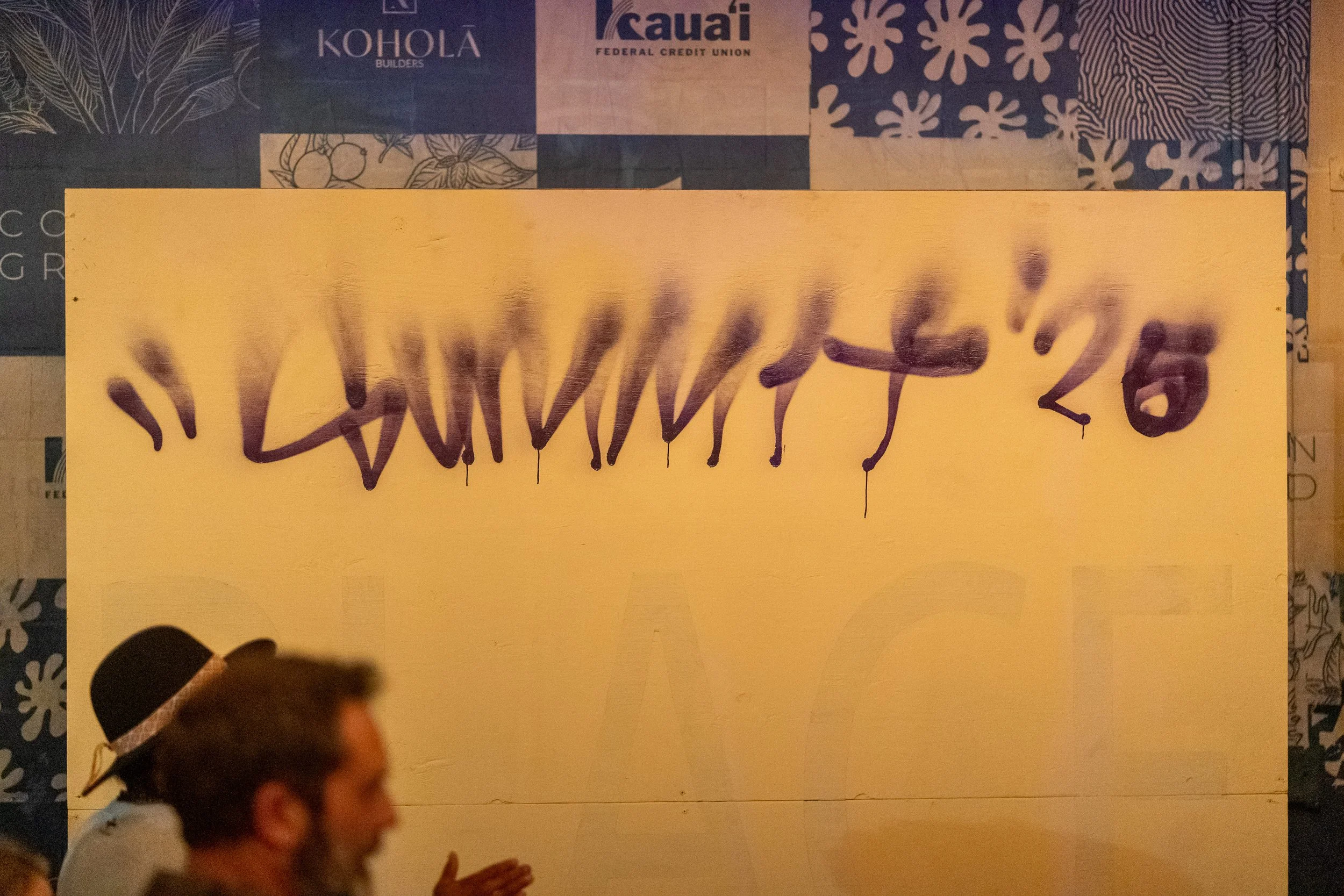
When we chose Our Place in the Future as this year’s theme, the intention wasn’t to predict what’s coming – it was to examine how each of us actively shapes the future through the choices, relationships, and responsibilities we take on today. The sessions were designed as different entry points into that inquiry: explorations of voice, values, leadership, culture, and place that – taken together – offered a more grounded understanding of what it means to “belong” to the future we’re building.
Across the week, a set of guiding questions surfaced again and again:
What does it look like to build futures rooted in relationship rather than abstraction?
How do we carry our values into practice, not just language?
And what does being accountable to place – and to each other – actually require?
Where the Sessions Took Us
Narrative Threads, our dive into voice, values, and personal storytelling, revealed how meaning-making begins with the stories we choose to tell about ourselves. Participants noted the importance of authenticity, connection, and trust as foundations of community.
Reimagining Hospitality, our conversation on what it means to host and be hosted, invited participants to rethink hospitality beyond the industry frame. The group explored how hosting is less about service and more about creating intentional spaces where people feel welcomed, respected, and able to show up fully. This shift – toward hospitality as a cultural and relational practice, rather than a professional role – opened up new ways of considering how we show up for one another.
Bridging Care and Capital, our discussion on care within existing systems, examined what it looks like to center wellbeing while navigating economic and institutional realities. Participants spoke about the tension between the futures we want to imagine and the structures we currently work within. The conversation highlighted the importance of balancing idealism with pragmatism – honoring care as a guiding value while acknowledging the conditions and constraints shaping our daily decisions.
What emerged across it all
Looking across the sessions and conversations, what emerged was not a neat list of themes but a clearer sense of what inhabiting our place in the future might require.
First, it asks for self-awareness and honesty. The early conversations made clear that we cannot meaningfully shape the future without reckoning with the stories, assumptions, and inherited patterns we carry into the room.
Second, the week pointed toward a different pace and posture of leadership: slower, relational, and grounded. Participants voiced a desire for models that center interdependence, reciprocity, and collective well-being rather than speed or individual achievement.
Third, the hands-on moments showed that presence is not passive. Whether drawing, cooking, or walking the agroforest, being fully present became a way of practicing the future – shifting how we listen, collaborate, and imagine.
Finally, the time spent with place affirmed that place is not a backdrop – it’s a teacher. The land, the food, and the stories shared by our local partners reminded us that futures worth building grow from relationship and responsibility, not abstraction.
So where does that leave us?
If there was a conclusion to the week, it was this:
Our place in the future is something we learn to inhabit – through the relationships we invest in, the values we uphold, the pace we choose, and the places we commit to stewarding.
The Summit wasn’t designed to deliver definitive answers. It was an opportunity to practice the futures we hope to inhabit – to experiment, to listen, and to begin aligning our actions with the world we want to co-create. When we chose Our Place in the Future as this year’s theme, the intention wasn’t to predict what’s coming – it was to examine how each of us actively shapes the future through the choices, relationships, and responsibilities we take on today.