
A Place Shaped Over Time
A meal at Common Ground begins long before it reaches the table. It begins in the agroforest, with the people who grow and prepare the food, and in the wider network of Kaua’i farmers and producers who contribute to it. It also begins with the history of the land itself – a place that has been shaped, for more than a century, by what was grown here and the systems built around it.
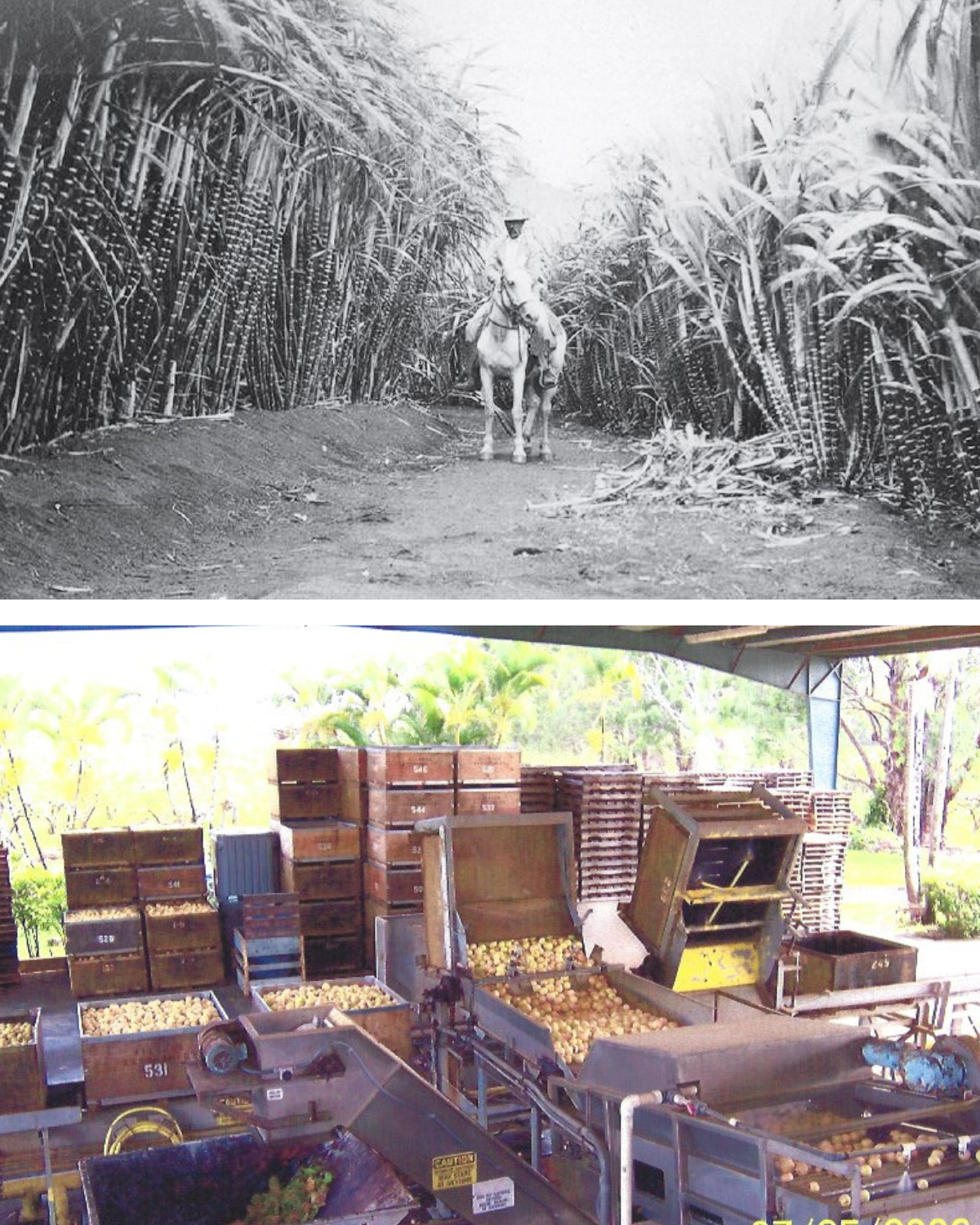
Long before Common Ground Kaua’i became a place for gathering, conversation, and food, the property formed part of the Kilauea Sugar Company. The 11,500-acre operation produced sugar from 1877 until 1971, during a plantation era that played a lasting role in shaping Kaua’i and developing its infrastructure.
One physical trace of that period can still be found on the campus. In 1881, the Kilauea Sugar Company became the first to construct a railroad system for transportation, with Queen Lili’uokalani driving the first stake. Small pieces of the track remain on the property today. They are modest remnants, but they offer a tangible connection to an earlier agricultural system that once defined the land.
After the sugar company closed, the property entered another chapter. Guava Kai Plantation opened in 1977 across approximately 500 acres, including what is now Common Ground. At its height, 480 acres were in commercial cultivation, making it one of the largest guava plantations in the world. Guava Kai produced more than half of Hawai’i’s guava, and daily harvests could exceed 150,000 pounds.
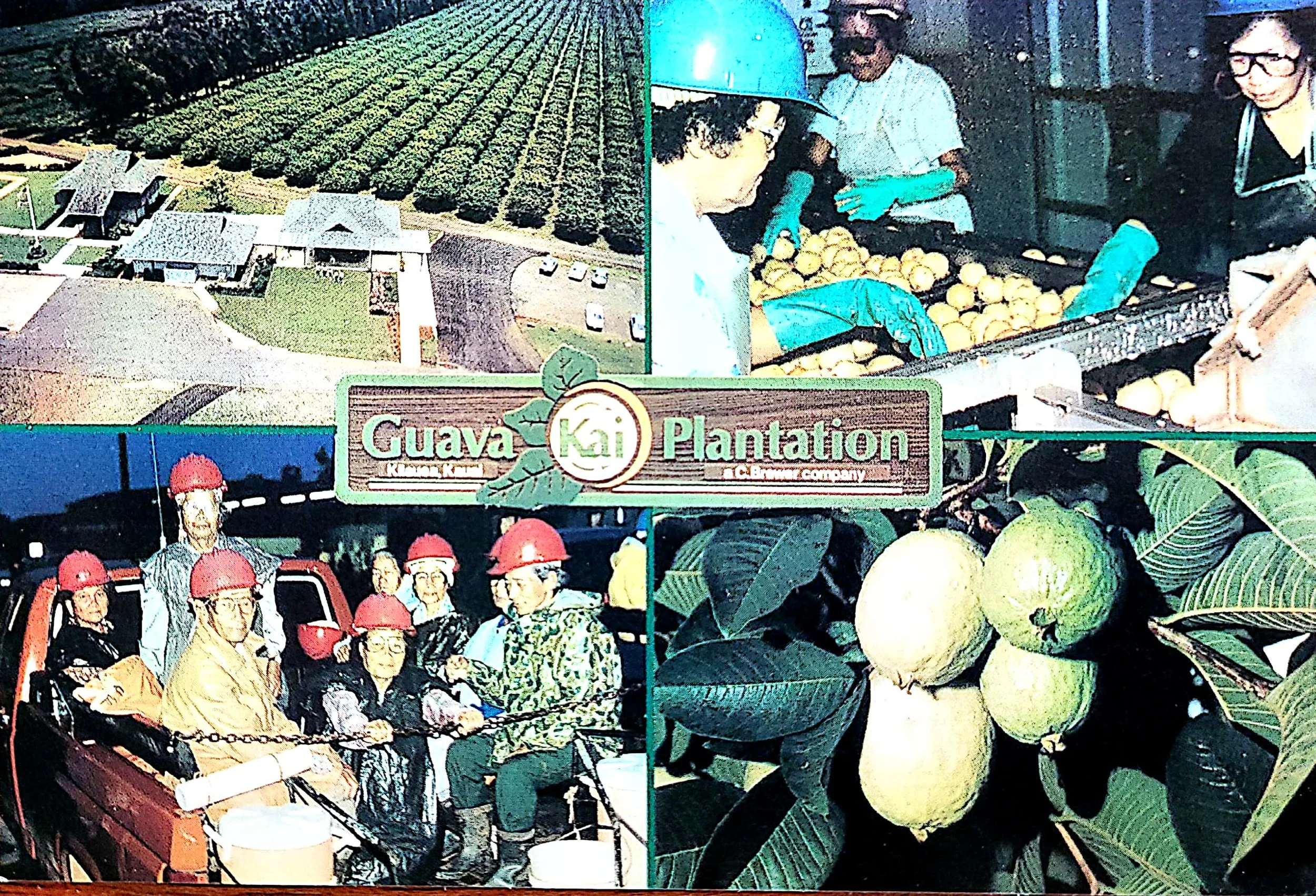
Guava Kai was also more than a site of production. For three decades, residents and visitors came to pick fruit, learn how guava was grown and processed, and enjoy the smoothies and ice cream for which the plantation became known. Much of its harvest was processed into purée for drinks, jams, sherbets, and other products distributed well beyond Kauaʻi. When the plantation closed in 2007, it marked the end of another defining era for both the property and the Kīlauea community.
These earlier chapters help set the stage for Common Ground’s work today. Food remains central to the campus, but the approach has shifted away from organizing the land around a single commodity crop. The regenerative agroforest is designed around diversity and interdependence, bringing trees and agriculture together to support food production while rebuilding the health of the soil. What grows here becomes part of meals and shared experiences that connect people more directly to the land and to Kaua’i’s wider food system.
That relationship between food, place, and people is also central to the Common Ground Summit. Food is present throughout the gathering, not only at the table but as a way into larger conversations about culture, health, hospitality, community, ecology, and the economy. The history of the campus gives those conversations a particular context. Participants are gathering on land that has moved through very different models of agriculture, each reflecting the priorities and systems of its time.
The evolution from sugar, to guava, to a regenerative food forest is not a neat story in which one chapter simply replaces another. It is an ongoing process of understanding what came before and deciding what should come next. Today, Common Ground uses food to bring people together around that question – creating a place where the history of the land can help inform new ideas about how we grow, gather, and care for the systems that sustain us